Manufacturing
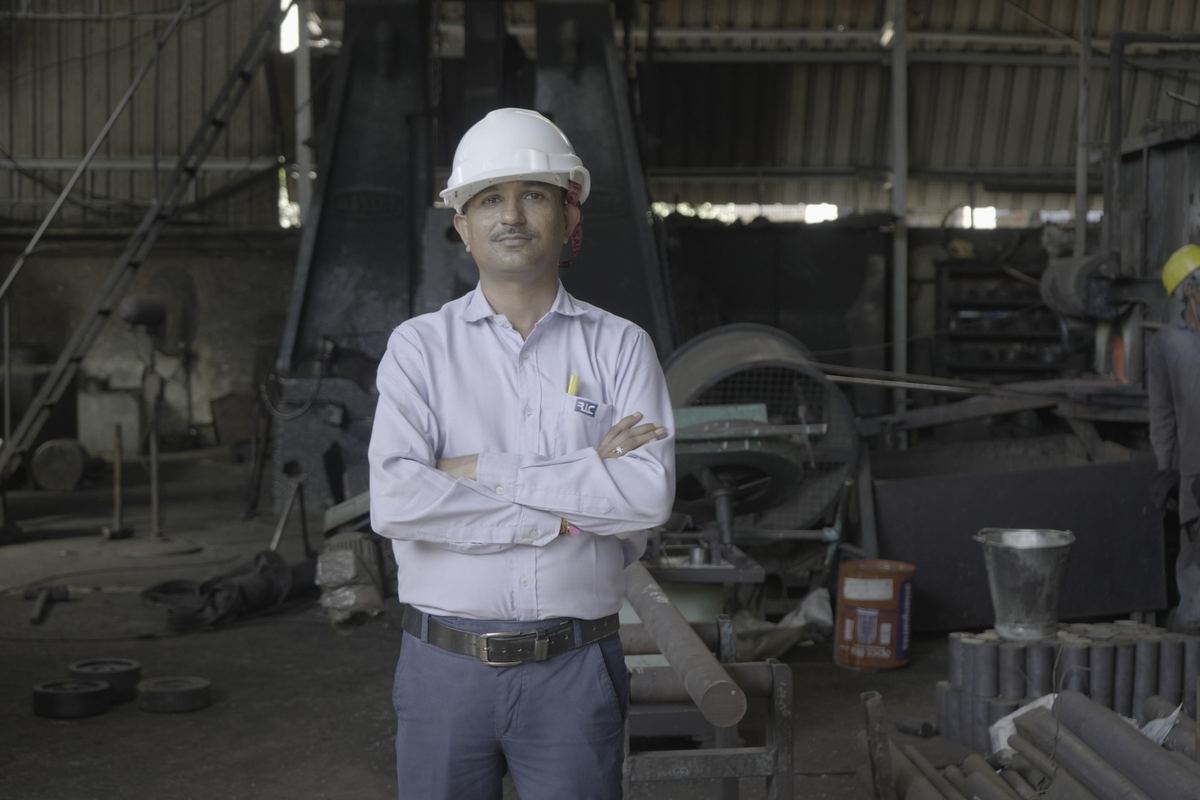
Our flange factory in Umbergaon, Gujarat
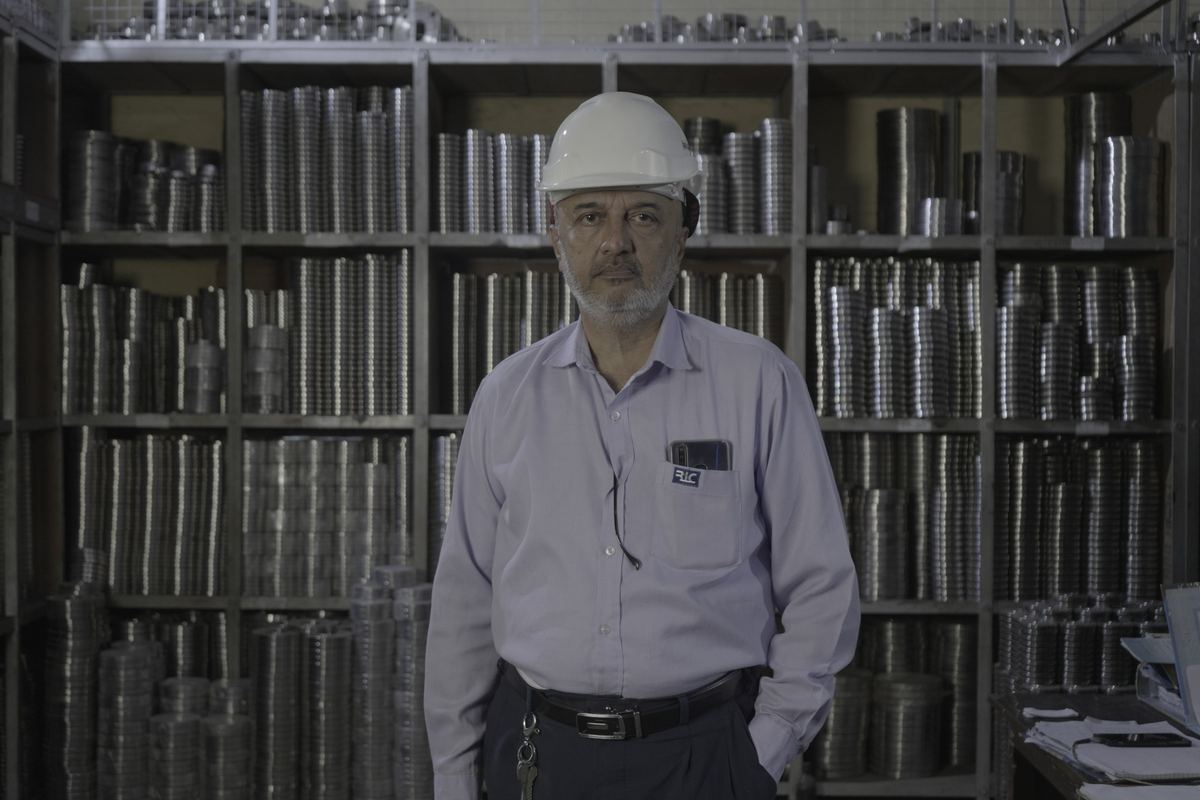
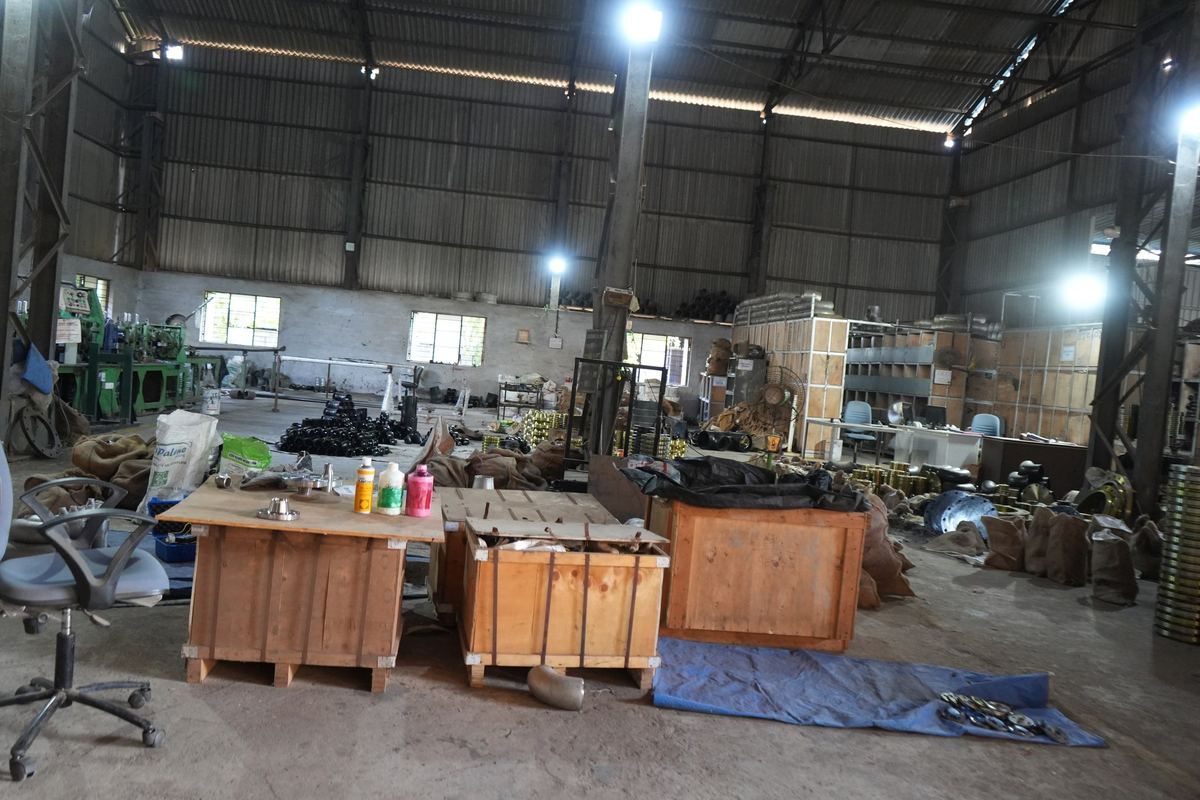
Our works at GIDC Umbergaon in Gujarat cut, forge, machine, test and pack flanges for export. Here is the route a flange takes, with photographs from the shop floor.
From bar to finished flange
The steps below follow the order of production.
1. Cutting
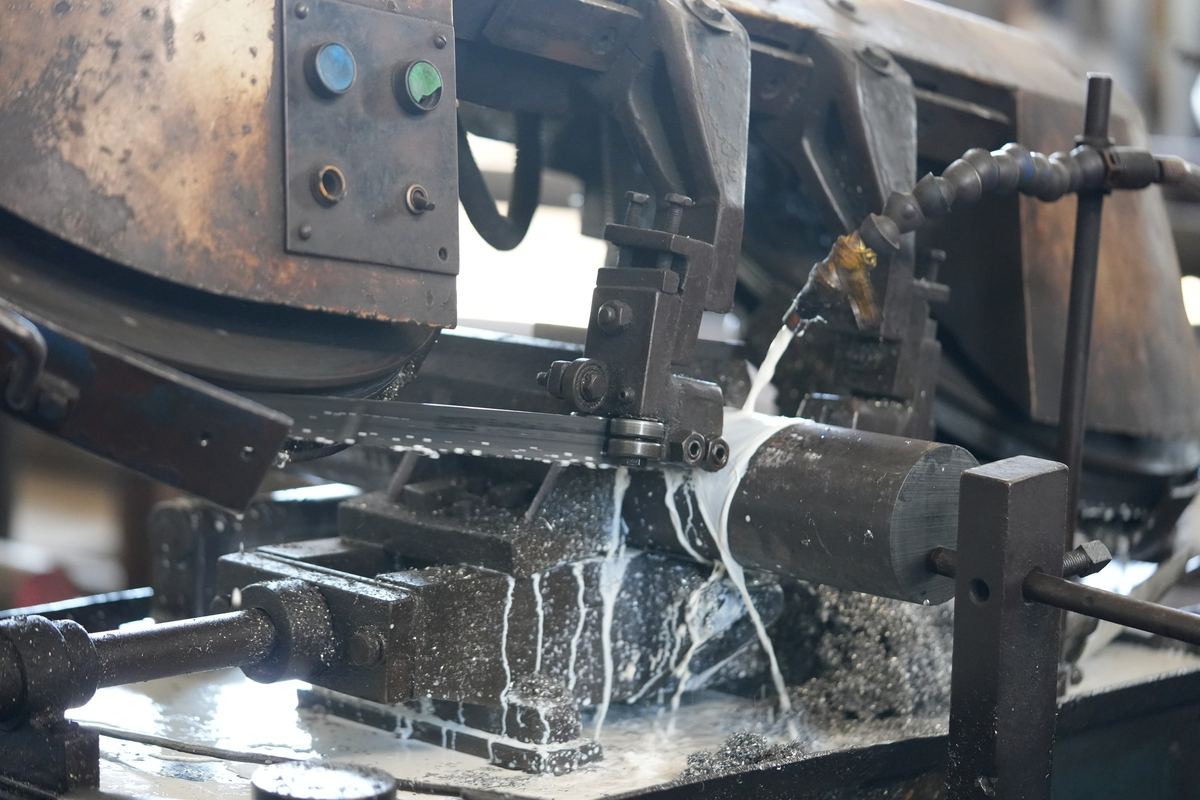
Forging-quality bar is cut to weight on band saws with a capacity of 200 mm diameter. Each piece carries its heat number from the stores.
2. Heating and forging
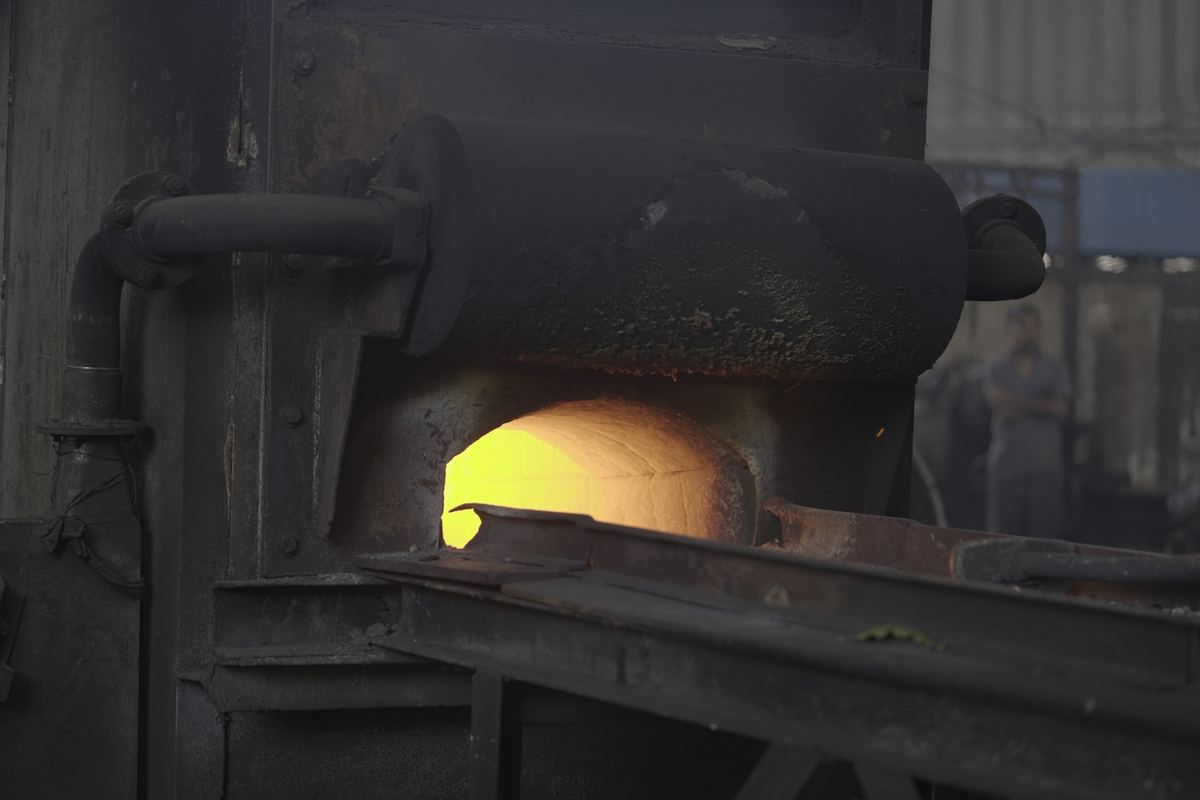
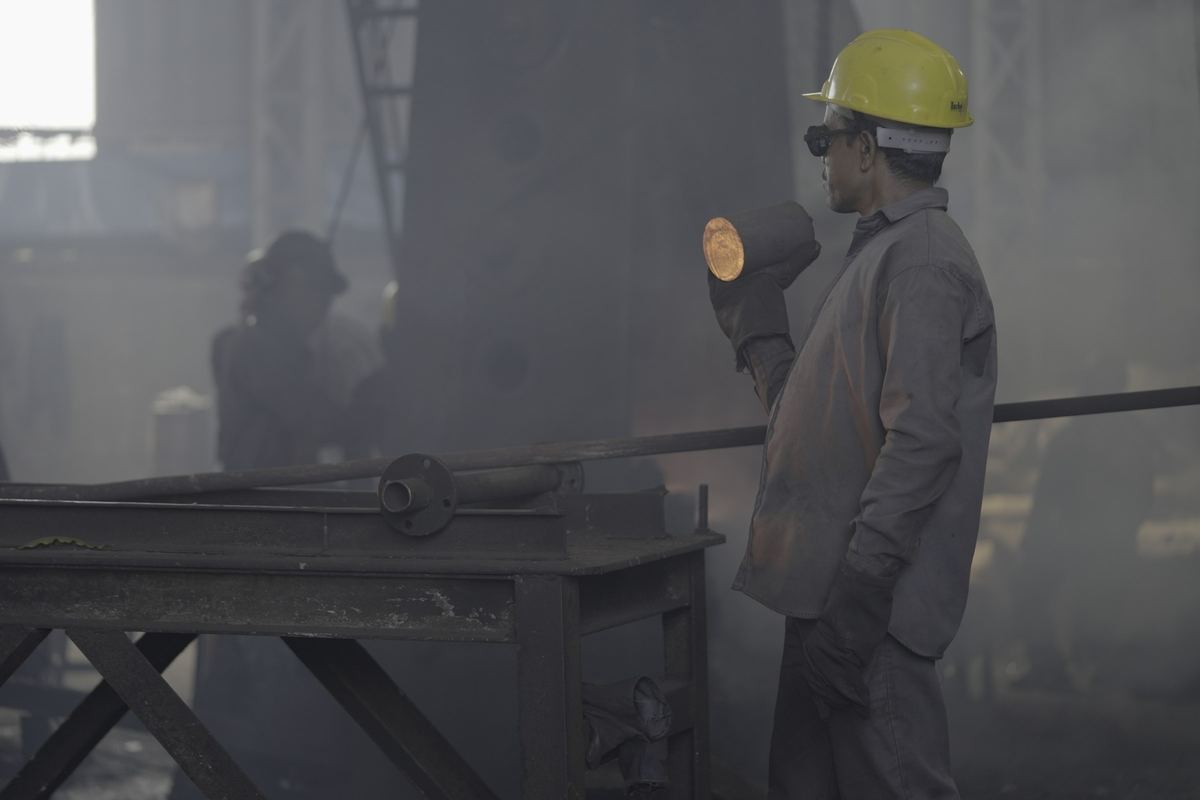
Billets are heated in induction, electric and fuel-fired furnaces, then forged on our 1.25 tonne hammer. The forging shop also has hydraulic presses of 300 and 150 tonnes and a 200 tonne trimming press. Forging closes up the structure of the steel and gives the flange a grain flow that follows its shape.
3. Machining
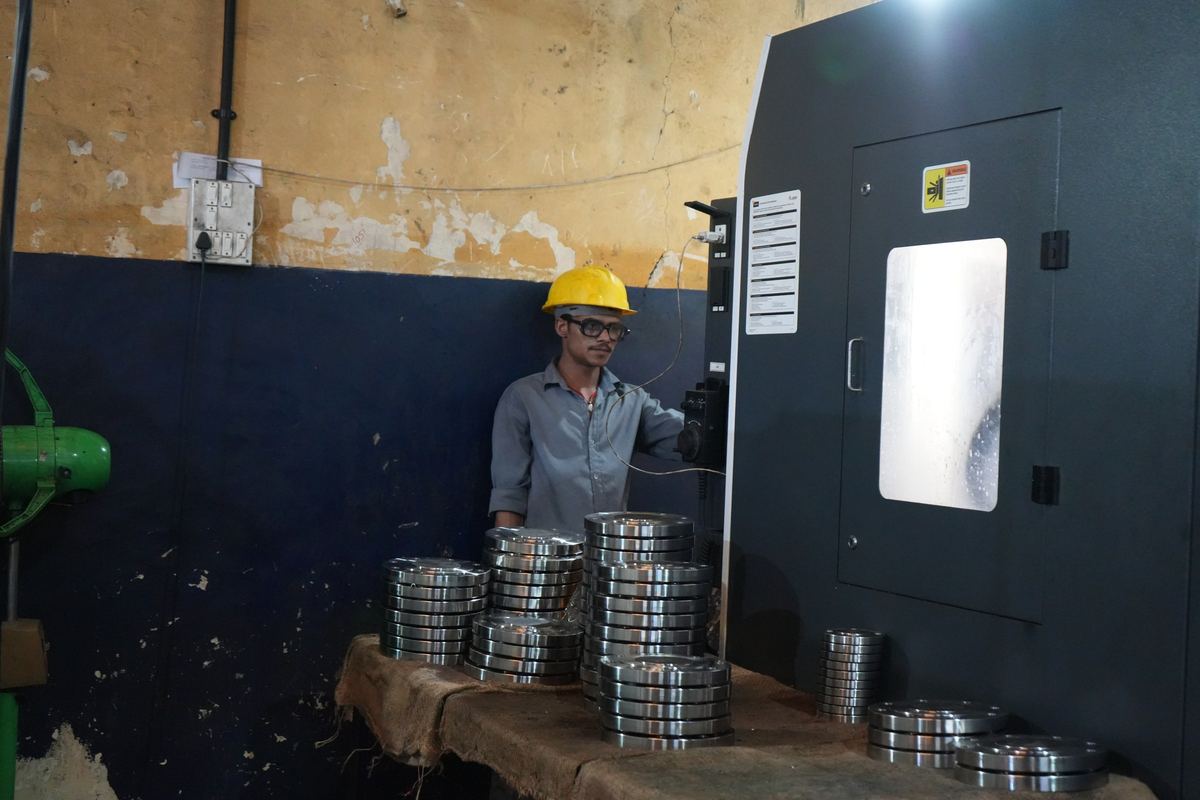
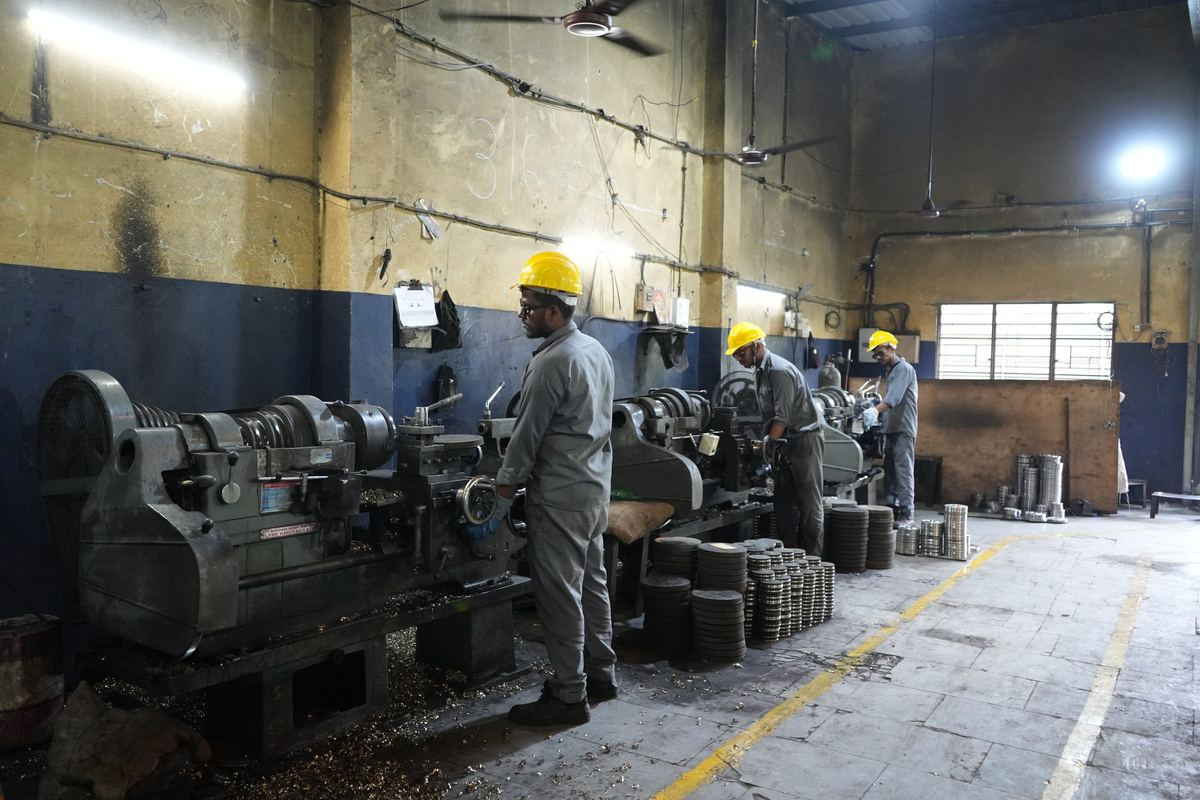
Forgings are turned, faced and bored on five ACE Super Jobber 500 CNC lathes and sixteen conventional lathes, with two Jyoti CNC machining centres and pillar drills for bolt holes. CNC turning keeps repeat orders consistent from lot to lot.
4. Testing and inspection
Our lab runs tensile tests on a 400 kN universal testing machine, hardness on a Rockwell cum Brinell tester, PMI on a Bruker analyser, dye penetrant tests and ultrasonic thickness checks. Lot samples also go to NABL-accredited laboratories. More on quality.
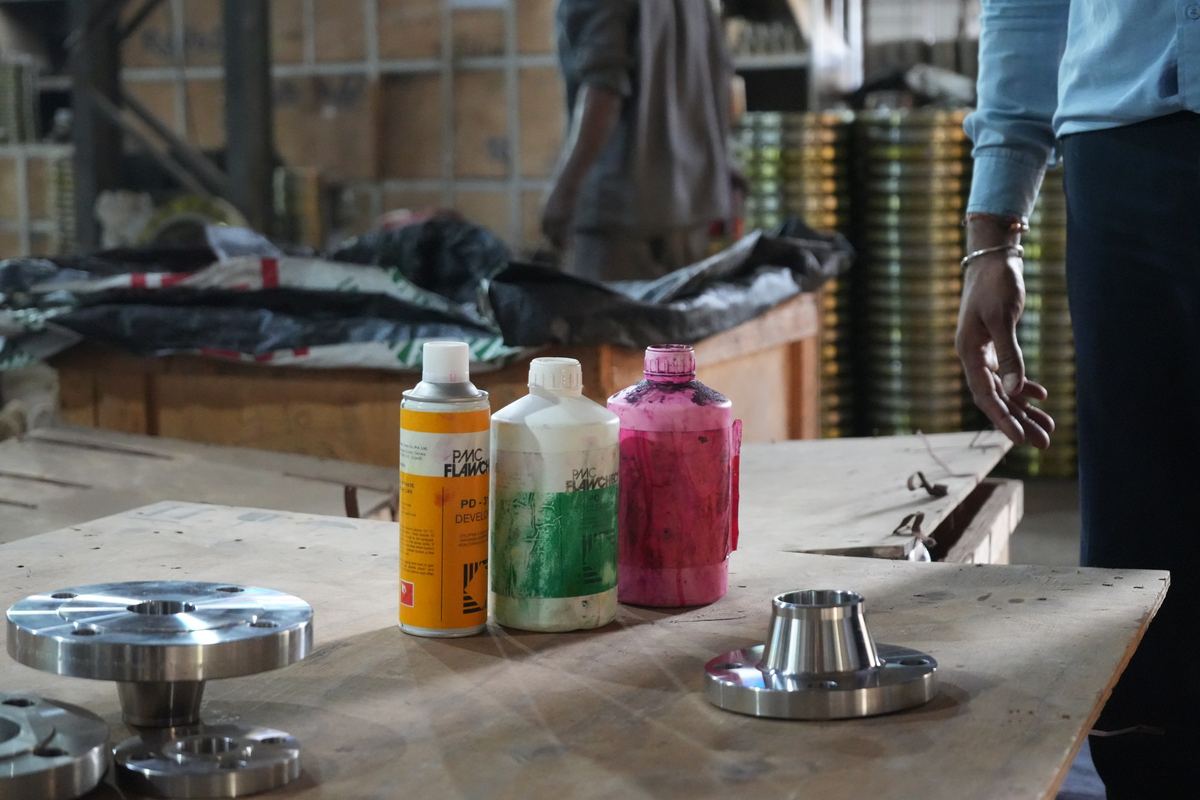
5. Marking, finishing and packing
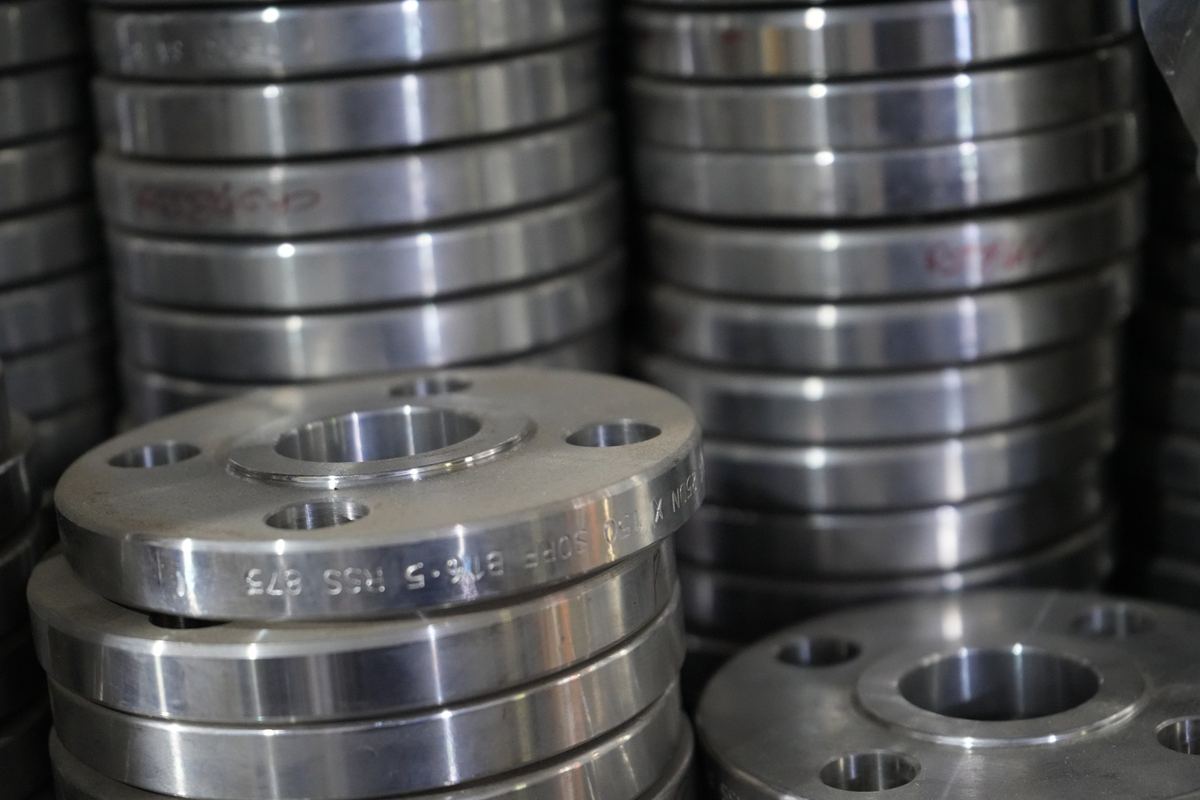
Flanges are stamped with RIC, specification, grade, size, class and lot number. Stainless flanges are pickled and passivated when the order requires it. Export orders are packed in wooden cases.
Plant and equipment
- Plot area
- 45,000 sq ft
- Covered area
- 30,000 sq ft
- Storage area
- 10,000 sq ft
- Connected power
- 160 hp
| Machine | Capacity | Qty |
|---|---|---|
| Forging hammer | 1.25 MT | 1 |
| Trimming press | 200 t | 1 |
| Hydraulic presses | 300 MT and 150 MT | 2 |
| Electric induction furnaces | 40 kW | 3 |
| Electric furnace | 40 kW | 1 |
| Oil-fired and coal-fired furnaces | - | 2 |
| CNC lathes (ACE Super Jobber 500) | 200 mm 4-jaw, 250 mm 3-jaw | 5 |
| CNC milling (Jyoti PX-10) | - | 2 |
| Conventional lathes | heavy, medium and light | 16 |
| Band saws | up to Ø200 mm | 3 |
| Universal testing machine (FIE UTE-40) with electronic extensometer | 400 kN | 1 |
| Hardness tester (FIE RAB250) | Rockwell cum Brinell | 1 |
| PMI analyser (Bruker) | - | 1 |
| Ultrasonic cleaning machine | - | 1 |
| ID marking machine | up to 8" NB | 1 |
| ID etching machine | - | 1 |
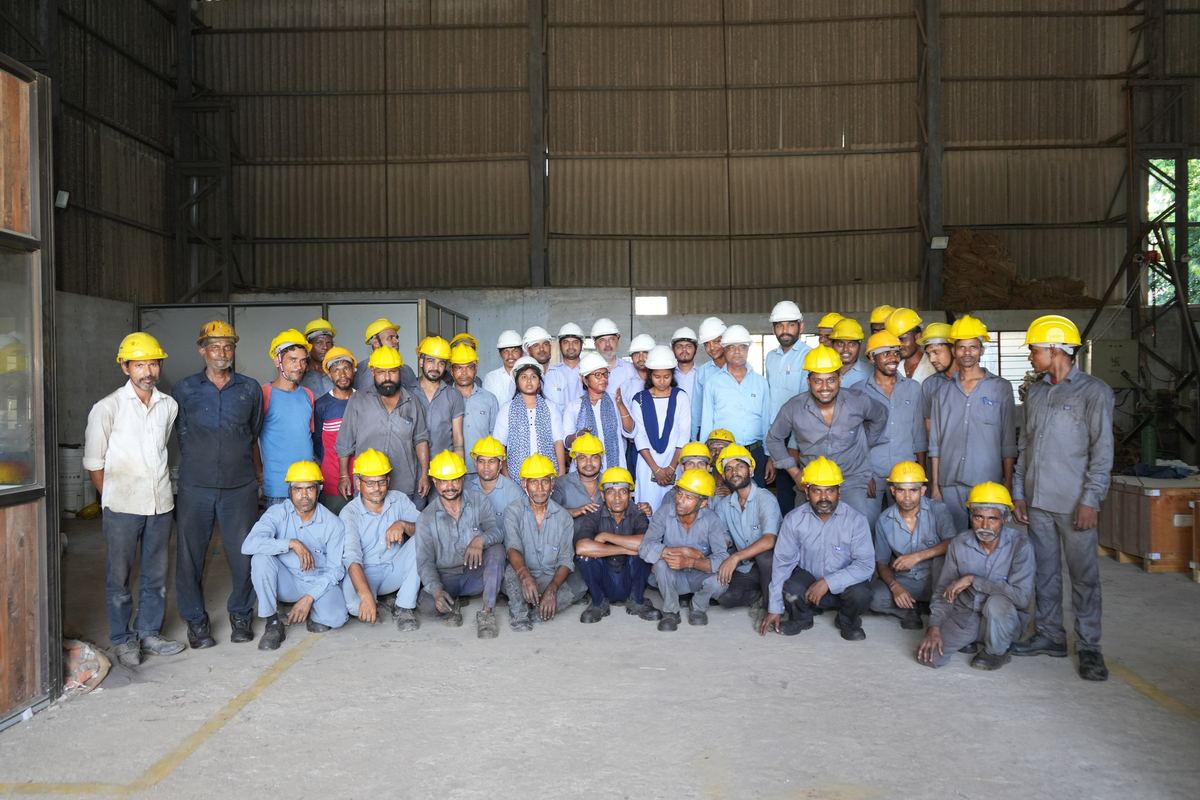
The people who run it
Our team includes 6 administrative staff, 10 production staff, 5 in QA and QC, and 70 skilled workers across the forging, machining and fittings shops.